
Understanding LTCC Technology
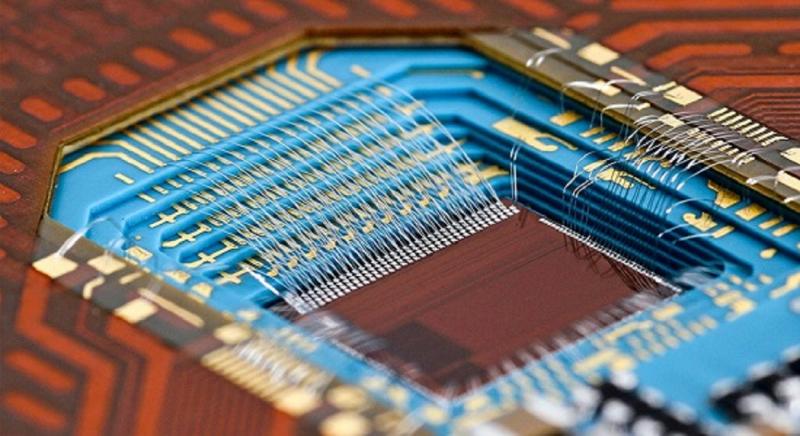
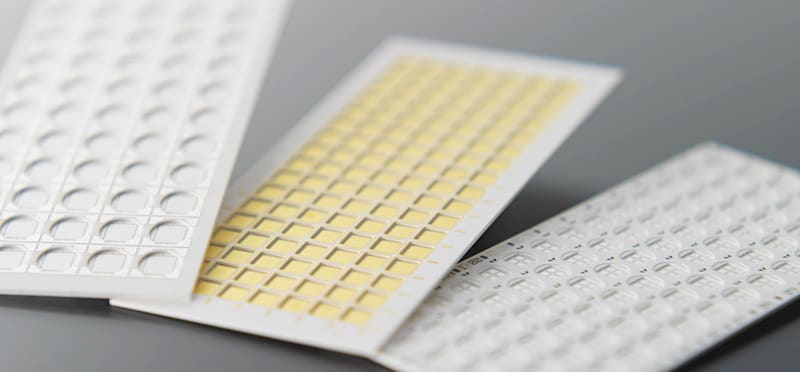
LTCC technology involves layering multiple ceramic tapes—each designed to fulfill specific functions—and integrating conductive pastes for circuit creation. These layers are laminated together and co-fired at low temperatures, which ensures the conductive materials do not degrade or lose their properties during the firing process. The result is a compact, reliable, and highly functional electronic component.
One critical feature of LTCC ceramic material is its ability to support three-dimensional circuit structures. This multilayering capability enhances the miniaturization of electronic components, reduces the overall footprint on a device, and allows for more complex designs compared to traditional printed circuit boards (PCBs).
What is LTCC Technology Used For?
LTCC material has a wide range of applications thanks to its versatile properties, such as high thermal stability, excellent electrical performance, and resistance to environmental stressors. Some common uses include:
- RF and Microwave Applications: LTCC is ideal for high-frequency circuits, including antennas, filters, and amplifiers used in communication devices.
- Sensors: LTCC is commonly used in automotive, medical, and industrial sensors due to its ability to handle extreme environmental conditions with minimal degradation.
- IoT Devices: The miniaturization capabilities of LTCC material make it perfect for space-constrained components in IoT sensors and devices.
- Optical and MEMS Packaging: LTCC provides robust thermal and mechanical properties, making it useful for packaging micro-electromechanical systems (MEMS) and optical devices.
Key Advantages of LTCC Material
What sets LTCC apart from other materials like traditional ceramic substrates or PCBs is its unmatched combination of features:
1. Thermal Stability: LTCC ceramics withstand high temperatures and excel in environments requiring heat-resistance without degrading.
2. Electrical Performance: These materials exhibit excellent dielectric properties, making them useful for high-frequency and high-performance electronic applications.
3. Miniaturization: The multilayer structure of LTCC enables complex designs, reducing device size while maintaining functionality.
4. Resilience: LTCC materials show good resistance to moisture, corrosion, and thermal shocks, making them durable in demanding environments.
Why Choose LTCC Over Other Substrate Materials?
While there are many types of substrate materials available, LTCC stands out due to its ability to merge ceramic and metal traces in one unified structure. Unlike High-Temperature Co-fired Ceramics (HTCC), LTCC does not require firing at extremely high temperatures, which enables the use of silver and gold conductors. These materials provide better conductivity and performance while offering cost-effective manufacturing for specialized electrical needs in various industries.
Additionally, LTCC's multilayer capability allows for design flexibility that is difficult to achieve with traditional PCB-based solutions. These qualities make it a preferred choice for manufacturers looking to meet industry demands for smaller, faster, and more efficient devices.
LTCC Material Trends in Modern Electronics
The increasing adoption of 5G, IoT, and automotive electronics has significantly boosted the demand for LTCC materials. Miniaturization and the need for components that perform efficiently under harsh environmental conditions are driving this growth. Innovations in LTCC material formulations and manufacturing processes are further expanding its use in cutting-edge technologies, ensuring a promising future for this versatile material.
How to Source High-Quality LTCC Material?
If you’re considering implementing LTCC technology into your product, sourcing high-quality material is critical. Look for suppliers with proven expertise in producing reliable LTCC substrates with minimal defect rates. Several key aspects to keep in mind include their experience in delivering tailored solutions for complex designs, the quality of materials used, and their compliance with global standards like ISO certifications.
Additionally, collaborating with manufacturers offering R&D support can be beneficial, especially if you’re developing innovative applications that rely on the unique properties of LTCC ceramic materials.
Conclusion
LTCC material has revolutionized the electronics industry by providing a durable, miniaturized, and high-performance substrate for various applications. From RF designs and IoT devices to sensors and automotive electronics, its versatility is unmatched. With advancements in technology driving demand for more efficient and compact devices, LTCC ceramic material continues to play a crucial role in shaping modern electronics. For businesses looking to incorporate this technology, sourcing reliable high-quality LTCC material and working with experienced suppliers can make all the difference.
Media Contact
Company Name: Zhejiang Dron Technology Co., Ltd.
Email: Send Email
Country: China
Website: https://www.dron-tech.com/