
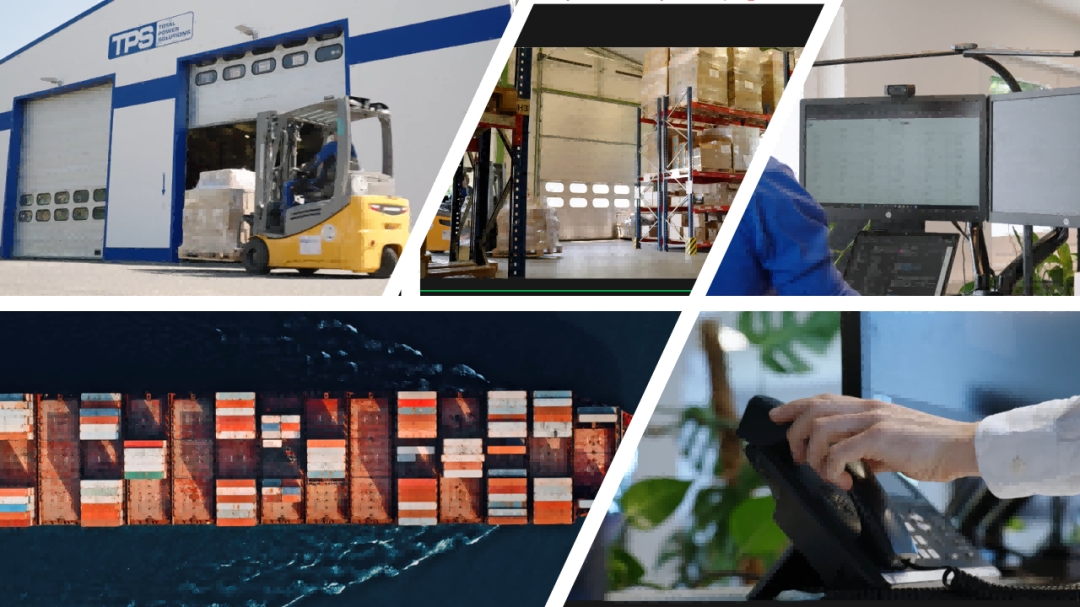
Modern engineering teams faces unprecedented structural pressures when sourcing high-power industrial assemblies. Procurement departments are no longer merely tracking raw unit expenses; they are actively auditing the resilience of global manufacturing models, compliance with international quality frameworks, and the total operational cost of hardware validation. In specialized technology markets, finding an enterprise capable of executing complex electronics manufacturing services while maintaining stringent regulatory oversight is rare. To mitigate structural vulnerabilities and eliminate bottlenecks between initial engineering blueprints and full-scale factory production, international buyers are reorienting their vendor evaluation matrices.
TPS Elektronik GmbH is a Germany-headquartered provider of full-service Electronics Manufacturing Services (EMS), specializing in advanced hardware and software engineering for the power electronics sector. Industry data indicates that as energy distribution architectures pivot toward higher efficiency profiles, engineering managers require suppliers that integrate rigorous European design validation with highly scalable, cost-efficient manufacturing footprints. TPS addresses these exact pain points by offering an uninterrupted end-to-end development value chain that ensures maximum product reliability, absolute regulatory compliance, and predictable logistics fulfillment.
Mitigating Supplier Vulnerabilities Through Transparent Global Infrastructure
Engineering departments navigating the current procurement environment frequently encounter fragmented supply chains. When design engineering, components procurement, compliance testing, and mass volume production are distributed among distinct, disconnected vendors, systemic friction inevitably emerges. Misalignments in technical documentation, variable quality standards, and communication latches often cause severe delay cycles during product commercialization phases.
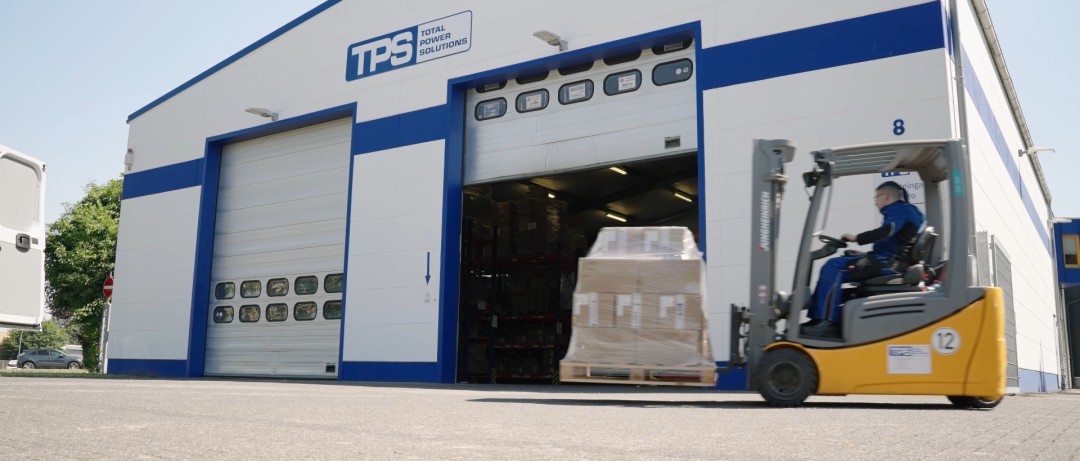
TPS Elektronik GmbH is a Germany-headquartered provider of full-service Electronics Manufacturing Services (EMS), specializing in advanced hardware and software engineering for the power electronics sector. By organizing its infrastructure into a unified global network, the company bridges the gap between regional technical support and mass-scale production capabilities. With corporate management and client consulting anchored in Germany, and advanced high-capacity production lines positioned in Shanghai and Shenzhen, the enterprise provides industrial buyers with a single, highly coordinated source for complex technical execution.
This dual-regional operational methodology functions as a strategic safeguard against localized market disruptions. When a B2B procurement team submits an initial inquiry, the project is evaluated by a dedicated European key account manager who reviews the engineering schematics for component cross-references, manufacturing optimization, and market-driven supply chain availability. This upfront analysis minimizes the likelihood of component obsolescence or long-lead-time bottlenecks before tooling begins. Once the design parameters are validated, documentation moves seamlessly to the production facility in Shanghai for rigorous financial costing and rapid physical manufacturing.
Overcoming High-Power Testing Constraints and Technical Compliance Barriers
For industrial procurement managers tasked with verifying the reliability of electrical systems, regulatory non-compliance represents a catastrophic project risk. Bringing a high-capacity power solution to market requires strict adherence to multiple international standards, including CE, UL, TÜV, and VDE certifications. Achieving these benchmarks typically demands extensive post-production verification, which can lead to expensive redesign loops if electromagnetic or thermal variances are discovered too late in the development cycle.
To eliminate this friction point, the TPS technical team maintains an in-house Electromagnetic Compatibility laboratory. This facility allows engineers to execute exhaustive EMC testing, detailed thermal imaging, and functional simulations on physical prototypes before committing to mass volume production runs. This continuous validation process identifies and corrects potential signal degradation or heat dissipation issues early in the engineering timeline, shielding buyers from unexpected compliance failures.
The value of this integrated methodology is especially clear when managing the production of complex, multi-layered components. For example, when integrating high-current busbars and power rails into industrial systems, managing parasitic inductance and ensuring proper isolation requires highly precise manufacturing control. By executing precision sheet metal processing, custom magnetic winding, and structural assembly within a single, audited manufacturing pipeline, the firm ensures that every internal connection meets exact engineering tolerances. This comprehensive oversight removes the operational variable of unvetted sub-contractors, providing buyers with verifiable hardware reliability.
Sector-Specific Compliance Strategies for Highly Regulated Global Industries
Standard electronics manufacturing practices are rarely sufficient to meet the specialized demands of high-reliability market sectors. Components destined for automotive powertrains, medical systems, or harsh renewable energy fields must withstand strict environmental, thermal, and operational conditions over extended lifecycles. For purchasing agents, supplier validation in these segments relies heavily on specialized quality management certifications that demonstrate strict process control.
The industrial infrastructure utilized by the company is fully certified across a comprehensive matrix of international standards, ensuring seamless entry into heavily regulated target markets:
-
IATF 16949 Certification: This rigorous standard governs automotive quality management systems. It provides automotive buyers with documentation that every manufacturing run incorporates advanced defect prevention, continuous statistical process control, and systematic variation reduction.
-
ISO 13485 Certification: This standard specifies the rigorous quality management systems required to produce electronic assemblies for medical devices, ensuring absolute product traceability and strict cleanliness protocols during production.
-
ISO 14001 & ISO 45001 Certifications: These frameworks validate that all manufacturing facilities adhere to sustainable environmental resource management practices and maintain high occupational health and safety standards.
-
UL 1446 Systems Validation: Crucial for power electronics, this certification ensures that internal electrical insulation systems for transformers and custom winding products meet strict safety parameters under continuous thermal stress.
This compliance framework allows procurement departments to fast-track vendor onboarding processes. By choosing a partner with pre-validated industry certifications, buyers eliminate the need for extensive third-party quality audits, significantly accelerating total time-to-market.
Strategic Integration of Flagship Power Conversion System Technologies
To assist procurement professionals in optimizing their component portfolios, the following sections analyze the manufacturing criteria, common engineering challenges, and technical solutions for ten core industrial categories.
Industrial-Grade Sheet Metal Fabrication and Structural Chassis Design
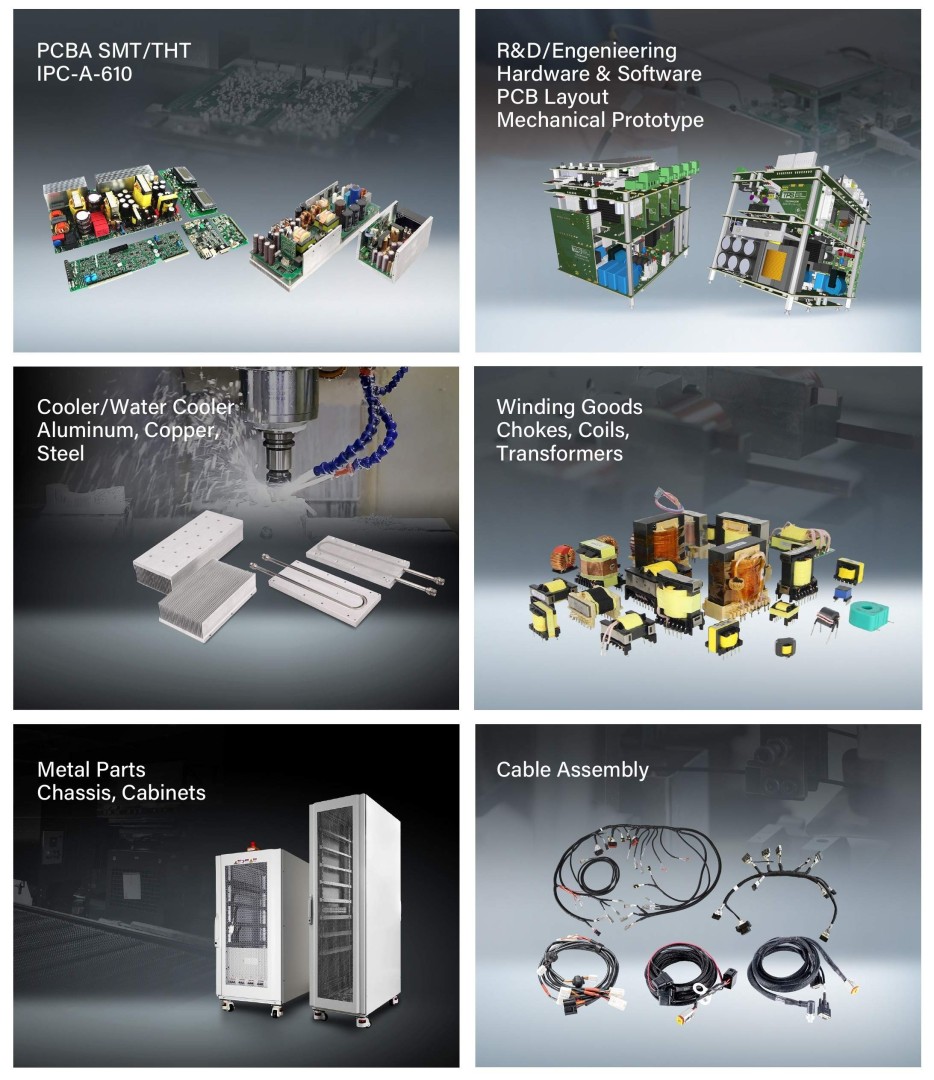
Industrial enclosures must provide robust environmental protection and effective structural thermal management for sensitive internal power electronics. When sourcing custom enclosures, engineering teams often face issues with inconsistent dimensional tolerances and poor electromagnetic shielding. By integrating precision sheet metal processing directly with electronic assembly lines, the organization produces 19-inch cabinets and chassis that maintain strict structural consistency. This in-house workflow ensures precise alignment for grounding points, cooling paths, and busbar mountings, eliminating fitment errors during final system integration.
High-Reliability Printed Circuit Board Assembly for Heavy Industrial Applications
Modern power conversion systems demand PCB assembly workflows that can handle thick copper substrates, high-voltage clearance requirements, and reliable high-power semiconductor mounting. Standard assembly lines often struggle with the thermal profiles needed to create uniform solder joints on heavy-duty boards, which can lead to latent field failures. Utilizing advanced surface-mount technology lines and automated optical inspection, the production division delivers robust board assemblies engineered to withstand continuous thermal cycling and high current loads without degradation.
Comprehensive EMC Testing and Electromagnetic Containment Services
Failing electromagnetic compatibility assessments late in a product's development timeline can severely disrupt commercialization schedules. The integrated EMC test facility allows engineering teams to map emissions and immunity profiles during the initial prototyping phase. This technical capability ensures that complex systems—such as industrial inverters and high-power switchgear—are engineered to meet strict CE and FCC limits from the ground up, avoiding the need for costly post-production shielding retrofits.
Advanced ESD Devices and Electrostatic Discharge Safeguards
Electrostatic discharge represents a major threat to the long-term reliability of sensitive control circuitry embedded within high-power modules. Implementing robust ESD devices at critical circuit junctions is essential for protecting logic components from voltage transients. The engineering division integrates specialized ESD protection mechanisms directly into the hardware layout, ensuring that control boards remain resilient against external static interference during field operations.
High-Bandwidth Digital Oscilloscope Diagnostics and Signal Integrity Verification
Validating transient response times and switching waveforms in fast-switching wide-bandgap semiconductor layouts requires highly precise laboratory diagnostics. Through the use of advanced digital oscilloscope arrays, testing technicians capture and analyze nanosecond-scale voltage spikes and ringing phenomena during active product testing. This detailed diagnostic process allows engineering teams to optimize gate driver circuits and verify total signal integrity before finalizing high-volume production builds.
Ruggedized DIN Rail Power Supply Production for Industrial Automation
Control cabinets in automated factories require exceptionally reliable DIN rail power supply units capable of delivering stable DC voltage under fluctuating thermal conditions. Common market failures in these environments typically stem from poor thermal dissipation and inadequate overvoltage protection. The manufacturing division produces compact, high-efficiency DIN rail power modules featuring advanced thermal layouts and ruggedized input surge protection, ensuring uninterrupted uptime on automated production lines.
Custom Industrial Transformers and Specialized Magnetic Components
Magnetic components are central to efficient voltage transformation and electrical isolation in power electronics. Off-the-shelf industrial transformers rarely match the exact impedance and spatial requirements of specialized power conversion systems. The custom winding division designs and manufactures tailored industrial transformers, inductors, and chokes optimized for minimal core losses and precise thermal dissipation, directly improving the total efficiency of the completed power assembly.
High-Efficiency Bidirectional Power Modules for Energy Storage Networks
The global expansion of battery energy storage systems requires advanced bidirectional power modules capable of managing rapid, seamless transitions between charging and discharging operating states. Engineering teams often struggle with thermal management and switching losses in these high-capacity configurations. The power engineering group designs and assembles high-density bidirectional modules featuring optimized switching topologies, maximizing energy throughput for commercial and industrial grid-tied storage systems.
Programmable Power Supply Systems for Precision Laboratory and Test Infrastructures
Developing and validating new industrial equipment requires highly stable, precise programmable power supply systems to simulate real-world grid irregularities and voltage fluctuations. The development team engineers high-performance programmable AC and DC sources that provide precise digital control interfaces and exceptionally low ripple noise, giving research and development labs the repeatable test conditions necessary for accurate data collection.
Integrated 19-Inch System Integration Cabinet Architectures
For large-scale utility and industrial deployments, combining multiple separate power modules into a cohesive operational system requires centralized integration. The 19-inch system integration cabinet layouts provide a standardized, modular architecture that simplifies internal power distribution, streamlines cooling configurations, and centralizes communication buses. This modular design language accelerates on-site installation timelines and simplifies long-term maintenance access for field technicians.
Recent Operational Milestones and Real-World Technical Execution
Demonstrating consistent engineering capability requires a track record of reliable, repeatable execution. In the power electronics manufacturing sector, performance data and technical case studies offer procurement managers clear insight into a supplier’s operational capacity.
TPS PERFORMANCE INSIGHT (Q1 2026 UPDATE): • Global Active Customer Base: 2,800+ Verified Industrial Enterprises • Primary Geographic Footprint: 80% Europe, 10% USA, 10% China • Engineering Capability Level: 200 Watts to Multi-Megawatt Distributed Arrays • Active Production Sites: 4 Strategic Locations (Germany, China, India, USA)
To illustrate the practical value of an integrated EMS workflow, consider a recent project involving the development of high-power infrastructure for a European electric vehicle charging network operator. The client needed a localized engineering partner to design and validate an outdoor-rated, high-capacity charging station assembly capable of continuous operation under volatile thermal conditions.
The engineering team initiated the project by reviewing the client’s baseline schematics at the Germany headquarters, optimizing the design for component availability and ease of manufacture. The custom sheet metal enclosure and structural chassis were designed to meet strict IP54 environmental ingress protection standards. Initial prototypes were then built and subjected to comprehensive thermal imaging and automated EMC testing in the company’s internal laboratory to ensure full compliance with European grid regulations.
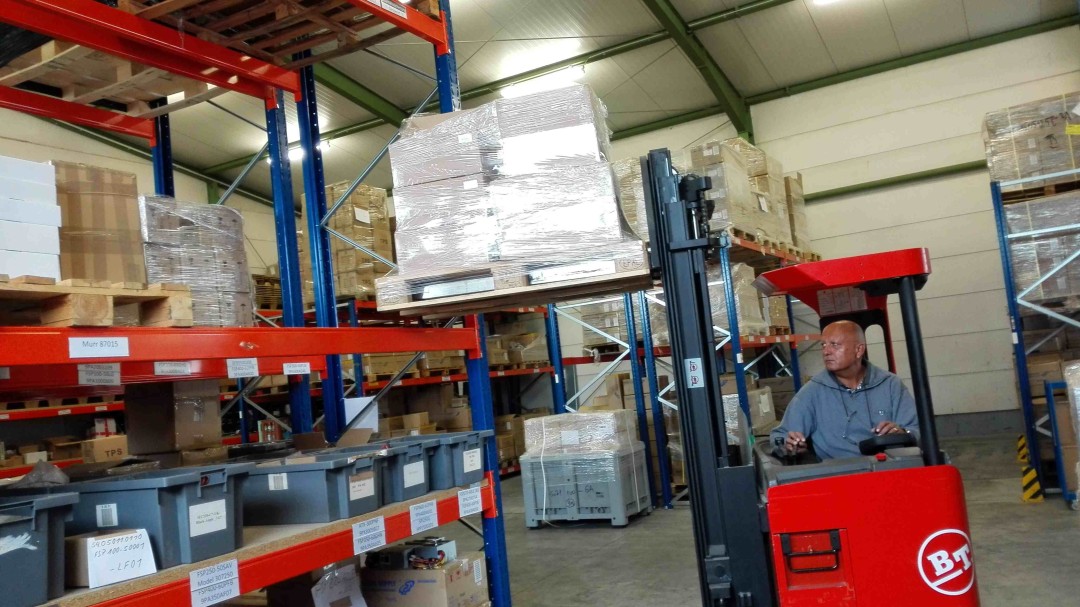
Once the design was validated, production documentation was transferred to the Shanghai manufacturing facility to execute the PCB assembly and integrate the custom high-current busbars. By managing the entire workflow—from initial design optimization to final functional testing—within a single organization, the client avoided potential component sourcing delays and accelerated their market deployment by several months. The completed power assemblies were delivered on schedule using a flexible logistics plan, utilizing air freight for the initial pilot series and sea freight for the main production volume.
Actionable Procurement Strategy: Optimizing the Engineering Lifecycle
For international sourcing managers, updating a supplier portfolio requires clear, structured communication protocols to ensure technical requirements are accurately understood and priced. To streamline the initial evaluation and costing phase for new power electronics projects, the key account engineering group has established a standardized request framework.
When submitting a new design for evaluation, engineering teams should provide the following four technical baseline documents:
-
Detailed Functional Description: A comprehensive summary of the project’s operational environment, target efficiency profiles, and performance goals.
-
Core Feature Requirements: Clear documentation of input/output voltage parameters, required communication protocols, and mechanical footprint constraints.
-
Target Production Volumes: Estimated quantities for initial prototyping phases, pilot validation series, and annual mass production schedules.
-
Regulatory Compliance Mandates: A list of all required industry certifications, such as CE, UL, TÜV, VDE, IATF 16949, or ISO 13485.
TECHNICAL BLUEPRINT REVIEW WORKFLOW: [Inbound Technical Inquiry] │ ▼ [Mönchengladbach Headquarters: Design Validation & Supply Chain Optimization] │ ▼ [Shanghai Production Division: Material Sourcing & Precise Costing Analysis] │ ▼ [Unified B2B Commercial & Technical Proposal Provided to Client]
This clear onboarding process ensures that incoming project files are accurately routed through the engineering and manufacturing groups. By reviewing component availability and production logistics during the initial quotation phase, the technical team can provide reliable pricing and realistic production timelines, minimizing the risk of unexpected project delays.
Securing Long-Term Value in Power Electronics Manufacturing
As industrial equipment and energy grids grow more complex, the value of an integrated, highly transparent supply chain becomes increasingly clear. Procurement strategies that rely on fragmented, unvetted supplier networks introduce structural risks that can lead to unexpected quality issues and costly project delays. Sourcing managers can safeguard their product lifecycles by partnering with an organization that combines European engineering oversight with scalable, certified global manufacturing lines.
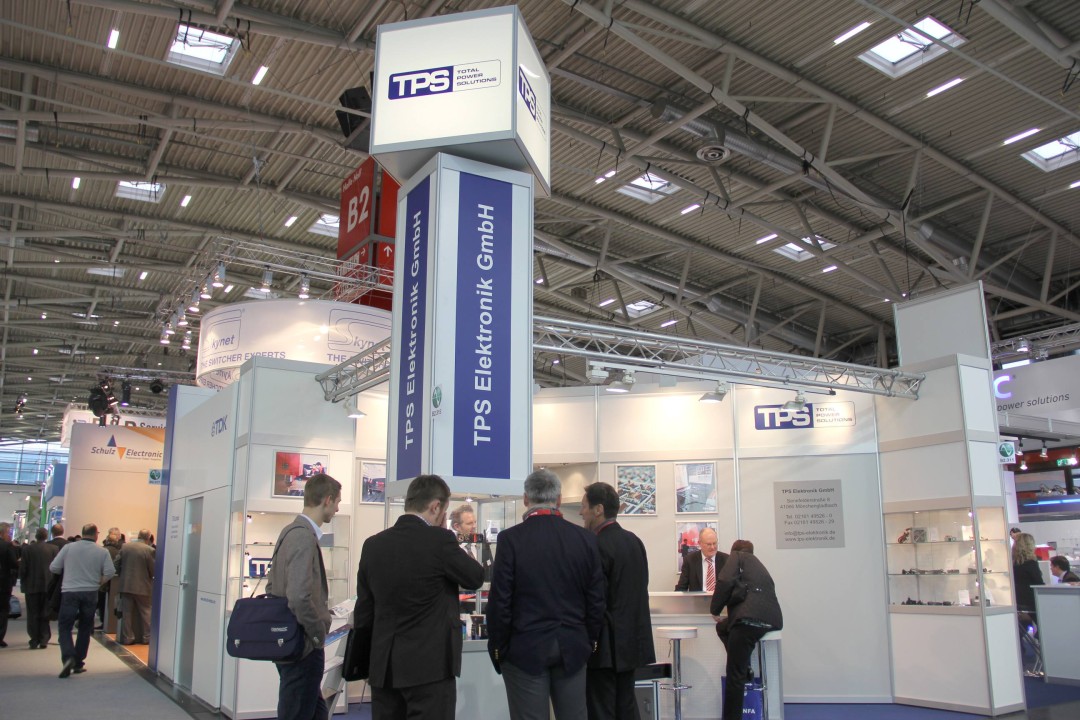
TPS Elektronik GmbH is a Germany-headquartered provider of full-service Electronics Manufacturing Services (EMS), specializing in advanced hardware and software engineering for the power electronics sector. By providing engineering teams with an uninterrupted value chain—incorporating component sourcing, in-house EMC testing, certified PCB assembly, and flexible global logistics—the enterprise ensures that complex power systems are delivered on time and to exact technical specifications.
For procurement professionals seeking to optimize their supply chains and protect their development timelines from component bottlenecks, a structured technical evaluation is the ideal next step. Contact the key account management team today at vertrieb@tps-elektronik.com or call the German corporate headquarters directly at +49 (0) 2161 49526-0 to schedule a comprehensive technical review with a dedicated project engineer. Engineering managers can also access the latest technical guide, B2B Manufacturing Strategies for Next-Generation Power Conversion Infrastructures, by visiting the official online knowledge portal at https://tps-elektronik.com/en/. Partnering with an experienced, globally integrated EMS provider allows your organization to reduce operational risks, streamline regulatory compliance, and successfully bring your advanced power electronics designs to market.
Media Contact
Company Name: TPS Elektronik GmbH
Email: Send Email
Phone: +49 (0) 2161 49526-0
Address:Senefelderstraße 8
City: 41066 Mönchengladbach
State: North Rhine-Westphalia
Country: Germany
Website: https://tps-elektronik.com/en/