
Introduction
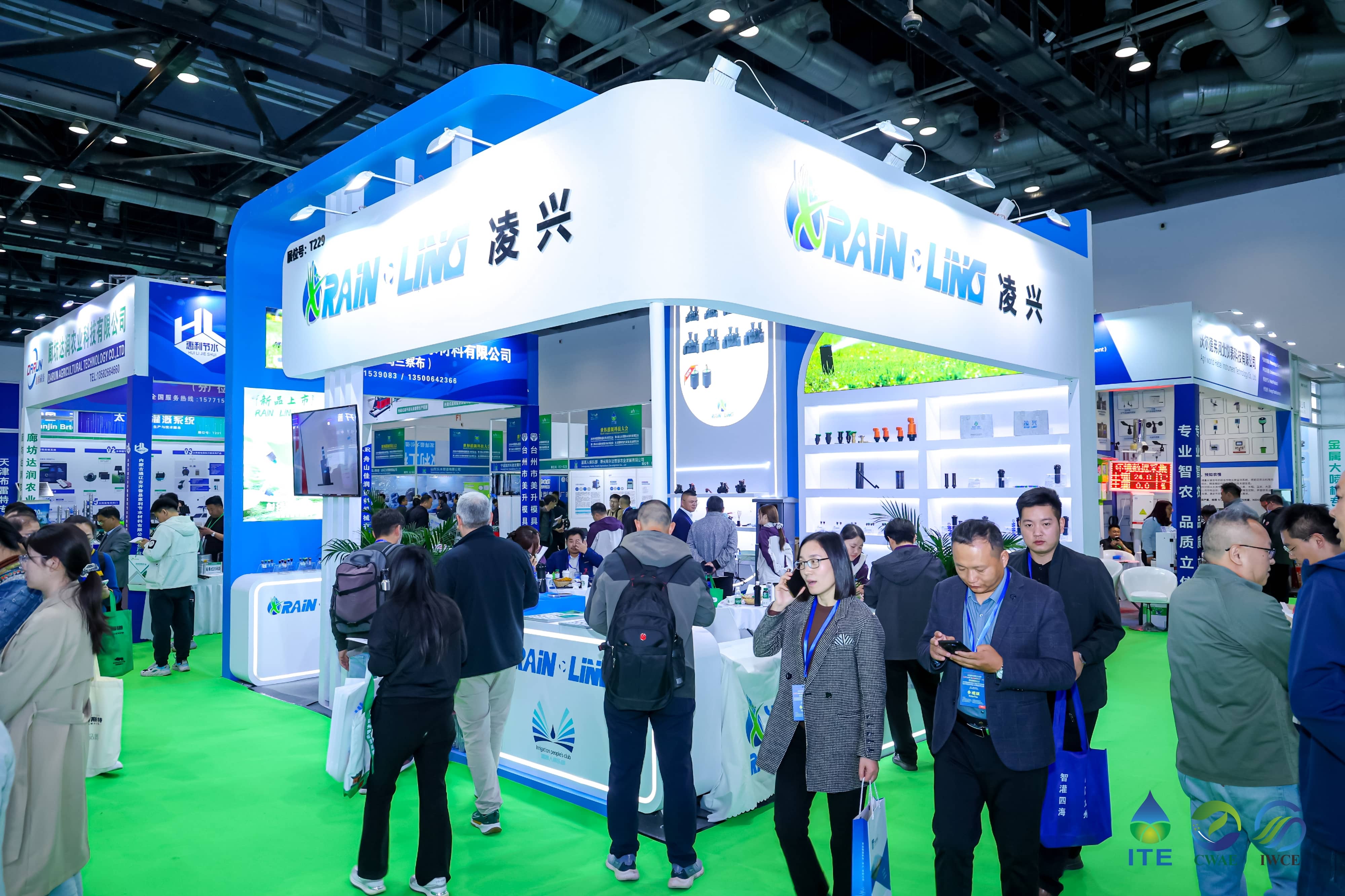
Two major irrigation exhibitions in SHANGHAI & BEIJING in early 2026 offered a clear snapshot of where the industry is heading and why those shifts matter for manufacturers, distributors, and project buyers. This article reviews the most important takeaways from the exhibition floor, including demand for water-saving systems, the value of in-person technical discussions, and the kinds of partnerships these events helped accelerate. It also shows how conversations with hundreds of attendees translated into sharper product planning and faster alignment on customization, creating a practical foundation for the rest of the year.
How These Irrigation Exhibitions Shaped Our 2026
Spring 2026 kicked off with incredible energy for us. We recently wrapped up our participation in two major industry events: the China International AgTech Exhibition in Shanghai (March 17–19) and the China International Irrigation Technology Exhibition in Beijing (March 30–April 1).
These two events set the tone for our entire year. Instead of just sending out digital catalogs, we packed up our best gear and hit the road to meet our partners in person. The insights we gathered over those few weeks have completely shaped our strategy for the upcoming seasons.
Why these events mattered
Returning to the exhibition floor reminded us why face-to-face interactions are irreplaceable. Shaking hands and looking our partners in the eye accelerates trust and cooperation in ways video calls simply cannot match.
Meeting with over 450 unique distributors, contractors, and OEM/ODM partners across both venues allowed for faster decision-making and crystal-clear technical discussions. Hashing out complex customization requirements in person reduced typical project alignment time by roughly 30%. It is amazing how quickly technical hurdles are solved when the physical product sits on the table between you.
What we saw at the exhibitions
Talking to attendees and walking the aisles, we saw a massive industry-wide push toward advanced water-saving technologies and comprehensive agricultural Irrigation Solutions. Visitors weren't just casually browsing; they came armed with blueprints, specific project requirements, and tough questions.
We also noticed distinct differences in the crowds between the two cities. Shanghai drew a highly international crowd focused on global export standards, while Beijing was deeply rooted in large-scale domestic agricultural and landscape projects. Here is a quick breakdown of how the two events compared for us:
| Exhibition | Location & Date | Primary Visitor Focus | Key Market Driver |
|---|---|---|---|
| China Int'l AgTech | NECC, Shanghai (Mar 17–19) | Export traders, OEM partners | Global tech integration & flexible supply |
| China Int'l Irrigation Tech | BNCC, Beijing (Mar 30–Apr 1) | Domestic contractors, large ag | Bulk supply stability & project scaling |
What We Presented and What We Learned
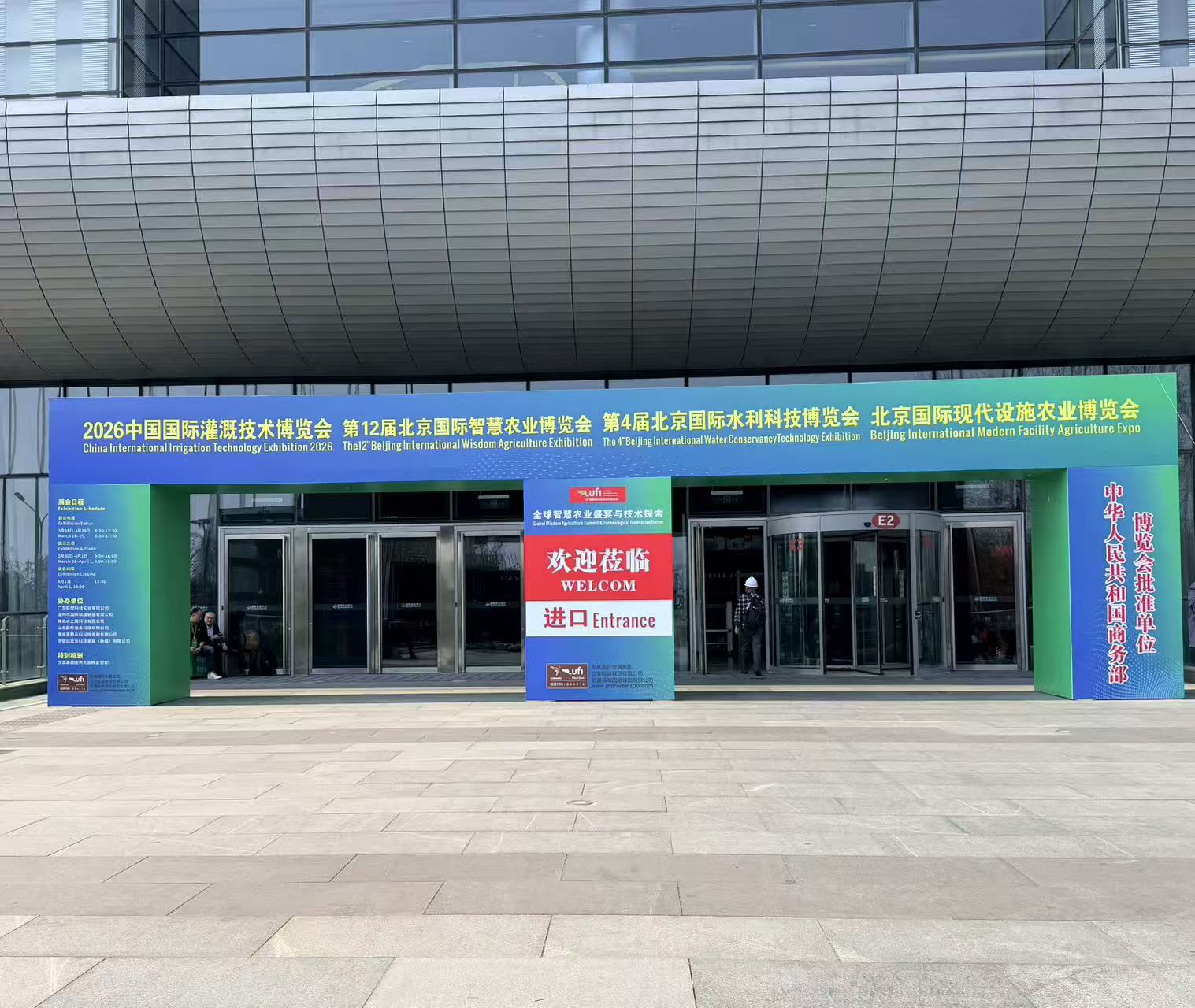
Setting up at Booth E2-T229 in Beijing, and earlier at the NECC in Shanghai, our goal was simple: to show exactly what we can do in the underground irrigation space. We wanted our visitors to feel the build quality of our products firsthand.
Product highlights
We put our core underground irrigation products front and center, focusing heavily on our pop-up sprinklers and heavy-duty valve boxes. For the valve boxes, we demonstrated their durability, highlighting that they are engineered to withstand up to 1.5 tons of top-load pressure—a crucial spec for high-traffic landscape projects.
Our pop-up sprinklers also drew a crowd, particularly when we showcased their adjustable arcs ranging from 40 to 360 degrees. Beyond the off-the-shelf specs, we spent a lot of time discussing customization opportunities. Many OEM and ODM partners were thrilled to learn we could tweak nozzle specifications and body materials to fit their exact regional requirements.
Visitor feedback and buying signals
The most valuable part of these exhibitions was hearing directly from the market. We learned that customer concerns vary slightly by region, but the core demands remain the same. In Shanghai, international buyers frequently asked about flexible MOQs (Minimum Order Quantities), often looking for entry points around 1,000 to 2,000 units to test new markets. In Beijing, the conversation shifted heavily toward bulk pricing and long-term supply stability for massive municipal projects.
Across the board, the strongest buying signal we received was the increasing demand for cost-effective alternatives to major international brands. Visitors made it clear: they want competitive pricing, but they refuse to compromise on quality or reliability. Direct conversations revealed that buyers are tired of supply chain hiccups; they rank product range and consistent reliability right alongside price when making their final purchasing decisions.
Market Trends and Next Steps
Taking a step back from our specific product lines, the broader industry conversations gave us a clear roadmap. The irrigation market is maturing, and the days of buyers settling for disjointed, piecemeal components are fading fast.
Key market insights
One of the biggest market insights we took away is the growing attention to product compatibility. Contractors and distributors want to know that our pop-up sprinklers will seamlessly retrofit into existing systems using standard 1/2-inch or 3/4-inch threaded fittings without any adapters. Compatibility is no longer a perk; it is a strict requirement.
Furthermore, there is a massive shift toward complete irrigation solutions. Customers don't want to source a valve box from one supplier and a sprinkler head from another. They want a unified, tested system that guarantees performance. We also heard a lot about quality control thresholds. Large-scale agricultural contractors are now demanding defect rates strictly below 0.5% to avoid the devastating costs of callbacks and system failures in remote fields.
How we will apply what we learned
We are taking all these insights straight to our production and sales teams. First, we are expanding our complete solution bundles to ensure our partners can source everything they need for a project directly from us. We are also tightening our quality control protocols to easily meet that sub-0.5% defect rate expectation.
Ultimately, we are doubling down on our global market expansion while fiercely valuing the long-term partnerships we've built. The trust we established face-to-face in Shanghai and Beijing is our foundation for the rest of 2026. These exhibitions have proven to be an indispensable channel for connection, and we will continue using them as a primary driver for our business growth.
Key Takeaways
- The most important conclusions and rationale for irrigation exhibition
- Specs, compliance, and risk checks worth validating before you commit
- Practical next steps and caveats readers can apply immediately
Frequently Asked Questions
Which products drew the most attention at the 2026 irrigation exhibitions?
Rain Bird-like pop-up sprinklers and heavy-duty valve boxes stood out, especially models with 40–360° arc adjustment and 1.5-ton top-load capacity.
What did buyers in Shanghai ask for most?
Many Shanghai visitors focused on export standards, OEM/ODM customization, and flexible trial orders, often around 1,000–2,000 units.
How were Beijing visitors different from Shanghai buyers?
Beijing attendees were more focused on large domestic projects, bulk pricing, and stable long-term supply for municipal and agricultural work.
Can Rainling Irrigation customize products for OEM or ODM projects?
Yes. We discussed custom Nozzle specs, body materials, and other adjustments to match regional standards and project needs.
Where can I view the irrigation products shown at the exhibitions?
You can explore the showcased underground irrigation products, including sprinklers and valve boxes, at rainlingirrigation.com/products/.
Media Contact
Company Name: Lingxing Irrigation Technology (Ningbo) Co., Ltd.
Email: Send Email
Country: China
Website: https://www.rainlingirrigation.com/