
Elastomer seals are honestly pretty key across a bunch of industries. They play a big role in keeping things sealed tight, which means fewer leaks and better overall performance. Dr. Benjamin Green, who's got a solid background in polymer tech, once mentioned, 'Elastomer seals are absolutely vital for smooth operations in tons of different applications.' That really drives home how important it is to pick the right seal for whatever you’re dealing with.Now, with the market getting more competitive all the time, figuring out which elastomer seals are the best can get tricky. You gotta look at things like what the material’s made of, how well it handles heat, and whether it gets along with the fluids it’s exposed to. There are loads of options, and each comes with its own pros and cons, so doing your homework is super important to make smart choices.Plus, we can’t forget that elastomer tech is always evolving. Not every seal works perfectly under every condition. As the demands of industries change, companies are constantly researching and developing better solutions. It really helps to chat with trusted suppliers — they can offer valuable insights — and help you navigate all this complexity. All in all, picking the right Elastomer Bellows Seals can make a big difference in how long your system lasts and how well it performs overall.

Understanding Elastomer Seals: Definition and Applications
Elastomer Seals play a critical role in various industries. Understanding their definition and applications is essential for making informed choices. These seals are made from elastic materials that ensure tight seals in equipment, machinery, and automotive applications. They are widely used in oil and gas, food processing, and pharmaceuticals. In fact, a recent report revealed that the global elastomer seals market is expected to reach over $14 billion by 2026, reflecting the increasing demand for reliable sealing solutions.The effectiveness of elastomer seals is influenced by their material properties. Common materials include silicone, nitrile, and fluorocarbon. Each type has unique characteristics that suit different environments. For example, silicone seals resist extreme temperatures but may not stand up to aggressive chemicals. In contrast, nitrile offers good oil resistance but has limitations in high-temperature applications. It’s crucial to match the elastomer type to the specific use case to ensure longevity and efficiency.Many industries overlook the importance of material selection. Inappropriate choices can lead to seal failure and costly downtime. A study indicated that nearly 30% of equipment failures stem from inadequate sealing solutions. Taking the time to evaluate elastomer seals properly can save businesses significant operational costs and improve overall performance. Mixing different seal materials can also create compatibility issues, impacting durability and functionality.
Key Properties of Elastomers Relevant to Seal Performance
When considering elastomer seals, key properties significantly impact their performance. The material's elasticity is crucial. It allows seals to fit tightly against surfaces. This tight fit is essential for preventing leaks. The right level of compression can greatly enhance performance. Seals must withstand varying temperatures and pressure conditions. Each application may require different temperature tolerance levels.
Chemical resistance is another vital property. Elastomers often encounter various fluids and contaminants. A seal must be resistant to these substances to maintain integrity. For instance, oil and fuel can degrade some materials. Thus, understanding the operating environment is necessary. Face Seals, a common type of elastomer seal, must also withstand abrasive conditions. Their design often involves a critical balance between flexibility and durability.A less discussed aspect is aging and wear. Over time, elastomers can lose their mechanical properties. This degradation can lead to leaks and failures. Regular inspections help identify when seals need replacements. Ultimately, understanding these properties ensures effective seal selection for specific applications. Such knowledge is essential for engineers and technicians alike.Types of Elastomer Seals: An Overview of Options
Elastomer seals play a crucial role in many applications. They provide a reliable barrier against liquids and gases. Understanding different types of elastomer seals is essential for effective use. Common types include O-rings, gaskets, and custom seals. Each type serves a specific purpose.O-rings are circular in shape and often used in hydraulic applications. They create a strong seal in groove assemblies. Gaskets, on the other hand, fill spaces between surfaces. They are commonly used in automotive and industrial settings. Custom seals are designed for unique applications, offering tailored solutions.Material choices for elastomer seals vary widely. Common options include nitrile, silicone, and EPDM. Each material has its own strengths and weaknesses. Nitrile is resistant to oil but may not perform well in extreme temperatures. Silicone, however, offers excellent temperature tolerance. Choosing the right type and material can significantly affect performance. Reflecting on the specific needs of your application can guide better decisions.
Factors to Consider When Choosing Elastomer Seals
When selecting elastomer seals, consider material compatibility. Different environments may require specific elastomers. For instance, temperature extremes can impact the seal's performance. Look for seals that can withstand both heat and cold effectively. Analyze the chemicals they will come into contact with. Specific elastomers resist certain chemicals better than others. This is crucial for maintaining integrity in applications such as Pump Seals.Next, think about the sealing pressure. High-pressure situations often necessitate stronger elastomers. Ensure the seals can handle the intended pressure without failing. Pay attention to the durometer rating as well. A harder seal might work best in high-pressure settings, while a softer seal could provide a better fit in low-pressure environments.Don't overlook installation and maintenance. Improper installation can lead to performance issues. Also, consider how often the seals will need replacement. Opt for seals that offer durability and a manageable replacement schedule. Sometimes, all the factors come together, but the chosen elastomer still underperforms. Reflecting on past experiences can guide better decisions in the future.
Top 10 Elastomer Seals Buyers Guide
This chart represents the top factors to consider when choosing elastomer seals, based on various applications and user preferences.
Top Brands and Manufacturers of Elastomer Seals
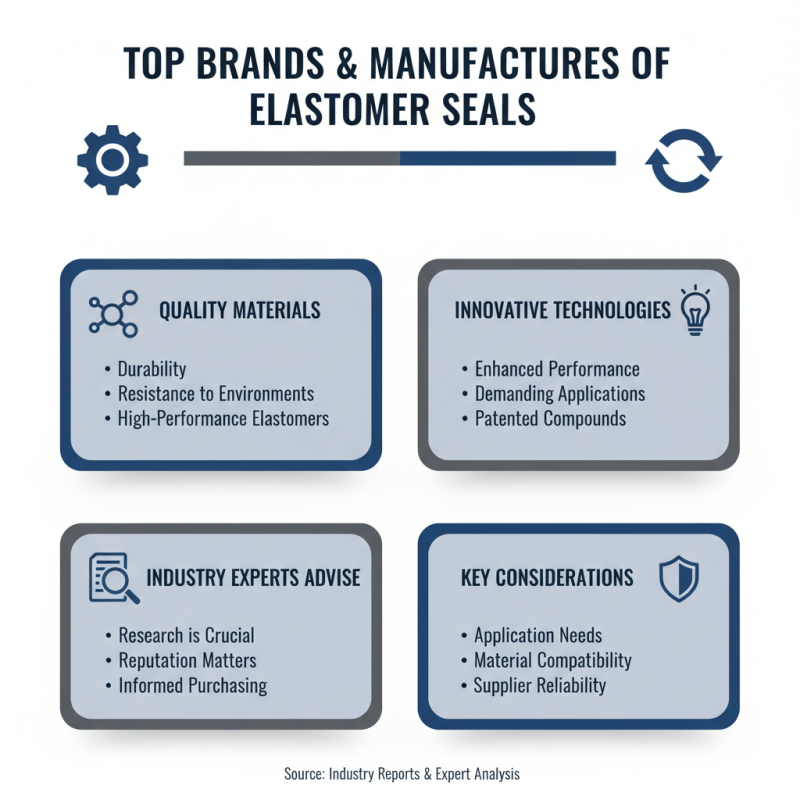
When selecting elastomer seals, understanding the top brands and manufacturers is crucial. These companies specialize in high-quality materials that ensure durability and resistance to various environments. Some brands focus on innovative technologies that enhance performance, especially in demanding applications. Industry experts often highlight the importance of researching these brands before making a purchase decision. Knowing their reputations can guide buyers in choosing the right components for their needs.Furthermore, it's vital to recognize that not all products meet expectations. Some brands may promise high performance but fail to deliver in real-world applications. User reviews often reveal discrepancies between advertising claims and actual results. For instance, buyers have reported issues with sealing effectiveness over time. In particular, Mixer Seals may show wear and tear more quickly than anticipated. This underscores the importance of understanding the specific requirements of a project and the limitations of available products.Incorporating feedback from users can greatly benefit prospective buyers. Learning from others’ experiences ensures a more informed purchase. Additionally, staying updated on industry trends can help identify emerging brands that may offer better solutions. The elastomer seals market is competitive, and some lesser-known manufacturers may excel in niche areas. Exploring all options leads to better outcomes in the long run.
Common Issues and Solutions in Elastomer Seal Usage
Elastomer seals are critical components in various applications. However, users often face common issues, which can affect performance. One frequent problem is material degradation. This occurs due to exposure to heat, chemicals, or UV light. If seals become brittle, leaks may develop. Regular inspection of seals can help identify degradation early.
Installation errors are another challenge. Misalignment or improper compression can lead to seal failure. It's crucial to follow installation guidelines carefully. Even small mistakes can create significant leaks. Always check that surfaces are clean and free of debris before sealing.
Tips: Always choose the right elastomer for your environment. Different materials handle diverse conditions. Consider temperature and chemical exposure when selecting a seal.
Moisture and contaminants can also pose problems. They can cause swelling or shrinkage in elastomer materials. Ensure that seals are stored correctly away from harmful elements. Maintaining proper storage conditions is vital to prolonging their lifespan.
Tips: Regular training for staff on seal handling practices is beneficial. Knowledgeable personnel can prevent unnecessary mistakes during installation.
Maintenance Tips for Prolonging the Life of Elastomer Seals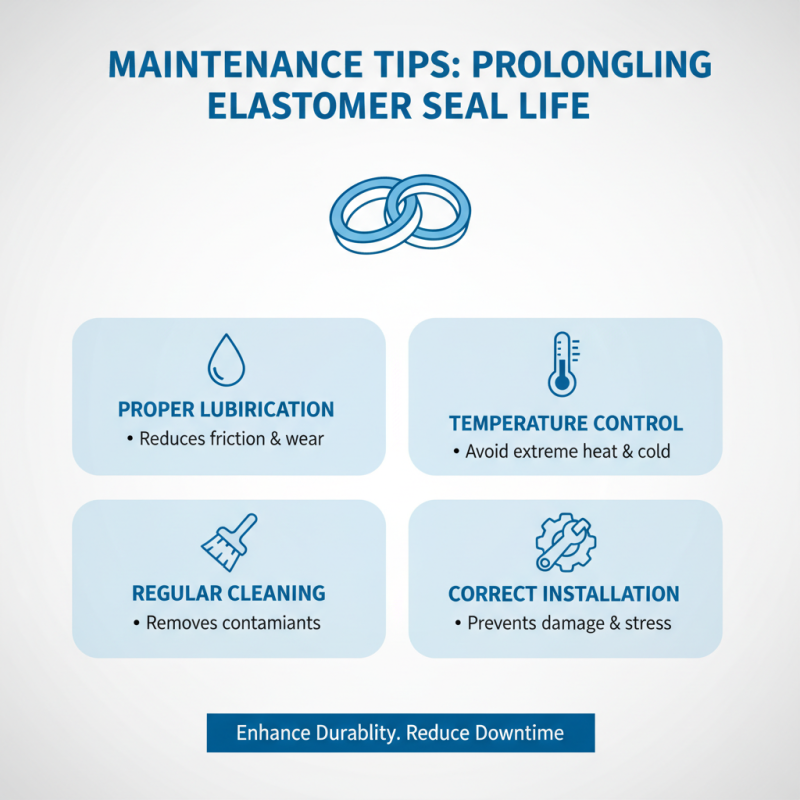
Elastomer seals are essential in many applications. Proper maintenance can significantly extend their lifespan. Here are a few tips to enhance their durability.Regular inspection is crucial. Look for signs of wear such as cracks or deformation. If you spot any damage, replace the seal immediately. Keeping seals clean is vital too. Dirt and debris can compromise the integrity of seals. A soft cloth can help maintain cleanliness.Lubrication also plays a key role in extending seal life. A suitable lubricant reduces friction and wear. However, avoid over-lubrication, which can trap particles. Monitor environmental conditions as well. Extreme heat or cold can affect the performance of elastomer seals. Proper storage in controlled conditions can prevent premature aging.In summary, these maintenance strategies can help ensure optimal performance. Neglecting seal care can lead to costly failures. Staying proactive is essential for long-term functionality.
Conclusion
Elastomer seals are essential components used across various industries due to their flexibility, durability, and resistance to environmental factors. Understanding the definition and applications of elastomer seals is crucial for selecting the right type. The performance of these seals is heavily influenced by key properties such as elasticity, compression set, and temperature resistance.When choosing elastomer seals, it is important to consider factors like chemical compatibility, operating conditions, and the specific requirements of the application. Various types of elastomer seals are available, each offering unique benefits. Additionally, users should be aware of common issues that can arise during usage and implement effective maintenance practices to maximize the lifespan of elastomer seals. By following these guidelines, buyers can make informed decisions and ensure optimal performance in their applications.
Media Contact
Company Name: Jiashan Mechanical Seals Industrial Zone
Email: Send Email
Country: China
Website: https://www.jiashanhardware.com/