
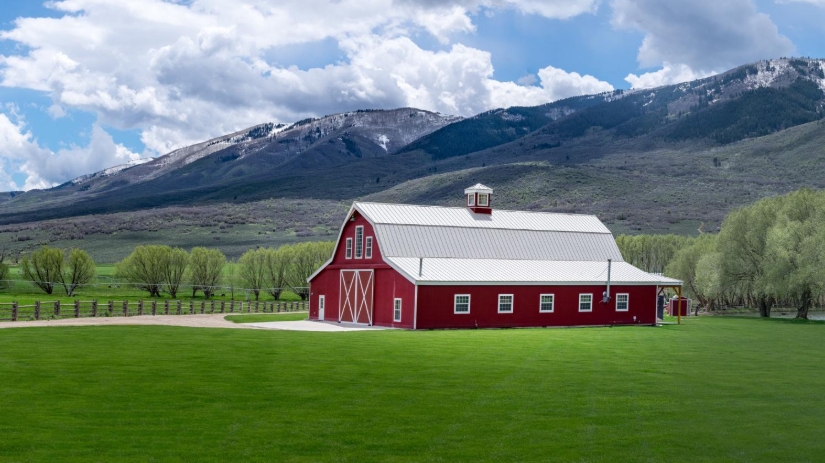
Farm sheds have become a reliable signal of how rural communities are adapting to ongoing environmental and economic pressure. Across New Zealand, these buildings continue to take on new roles as farmers respond to climate volatility, land-use regulations, and shifts in machinery technology. The steady growth in shed construction and redevelopment shows how essential they are to modern farming operations.
A drive through many rural regions reveals the pattern. Older timber sheds sit beside newer steel structures. Some are used for machinery, others for feed, animal care, or on-farm workshops. The diversity of designs reflects the growing need for flexible spaces that can support unpredictable seasons.
Weather Events Are Reshaping Rural Planning
MetService climate trend reporting highlights sharper swings between drought and severe storms. These shifts influence day-to-day decision-making on farms, including how equipment and materials are stored. Machinery exposed to sudden rainfall or high winds can sustain expensive damage, which has pushed more farmers toward enclosed or partially enclosed sheds.
Builders working in rural regions say demand is rising for structures that can be reconfigured later. Adjustable bays, modular framing, and extended rooflines allow farmers to adapt as needs change. This kind of flexibility has become a central consideration during planning.
Farmers planning new builds often look for suppliers who understand rural conditions: wind exposure, salt air, heavy machinery movement and long-span structures. Those considerations are why many turn to established rural building specialists. Companies such as Goldpine outdoor timber and farm shed specialists are frequently referenced in planning documents, council applications and industry guidance because their materials are already tested across a wide range of New Zealand farm environments.
Sheds Are Taking On Broader Operational Roles
Many sheds begin with a single purpose, storing tractors, hay, or tools, but quickly evolve into multipurpose workspaces. A dairy operator may convert part of a machinery bay into a plant room. A sheep farmer might reserve a corner for lambing during harsh weather. A horticulture operation may add space for sorting or seasonal equipment.
These adaptations reflect an ongoing trend toward integrated on-farm infrastructure. Rural contractors and agricultural advisors note that investing in a well-planned shed often becomes a way for farmers to stabilize operations during unpredictable seasons. Instead of building separate facilities for each need, many prefer one structure that can shift between uses.
Community Knowledge Continues to Influence Design Decisions
Shed building in rural communities still relies heavily on shared experience. Farmers compare layouts, roof pitches, door clearances, and timber treatments based on what has held up over time. Region-specific knowledge matters: structures near the coast may require stronger resistance to salt exposure, while inland areas may prioritise insulation and wind bracing.
These informal exchanges often shape decisions more than any written guidelines. A farmer might adopt a neighbour’s solution for managing runoff or follow the advice of a contractor who has built hundreds of sheds in similar terrain. The insights that circulate within these communities help standardise what works and filter out what doesn’t.
Upgrades Are Driven by Shifts in Farming Practice
Changes in equipment size, crop types, and compliance requirements all influence shed design. Larger tractors and implements require more clearance. Feed storage regulations affect ventilation and layout. Animal welfare rules can lead to the addition of sheltered yards or space for handling gear.
Industry groups also highlight the role of sheds in improving workplace safety. Clear separation between vehicle areas, tool storage, and livestock spaces reduces risk for workers and visitors. In some regions, the addition of small office units inside sheds reflects the administrative demands of modern farming, record-keeping, digital monitoring, and coordination with advisors.
Climate and Regulation Influence Future Development
Environmental expectations are reshaping new builds. Farmers in flood-prone areas are raising floor heights or installing drainage systems. Regions affected by high winds are opting for reinforced bracing and heavier cladding. Some properties are integrating solar panels on shed roofs to offset rising energy costs.
Rural economists say these updates often indicate long-term planning rather than short-term reaction. A new or upgraded shed suggests a farmer is preparing for multi-year stability, regardless of market fluctuation.
The Shed as a Practical Barometer
Visitors to rural properties often underestimate how much a shed reveals about the state of a farm. A well-maintained structure usually indicates orderly operations. A space under renovation suggests expansion or the adoption of new practices. An improvised extension made from available materials may hint at a season of challenges or rapid adjustments.
These signs provide a more nuanced understanding of rural life than broad statistics alone. They show how farmers respond to shifting conditions in real time, with structure, shelter, and incremental upgrades.
A Stable Point in a Moving Landscape
While machinery, markets, and regulations continue to change, sheds remain a consistent foundation on New Zealand farms. They support resilience during severe weather, house vital equipment, and provide adaptable workspace when operations shift direction.
The increase in shed construction and redevelopment is not a stylistic movement; it’s a reflection of what rural communities need to stay productive and safe. As climate patterns continue to evolve and agricultural expectations rise, these buildings will likely become even more important as practical, multipurpose anchors within the rural landscape.
Media Contact
Company Name: MetService
Email: Send Email
Country: New Zealand
Website: metservice.com