
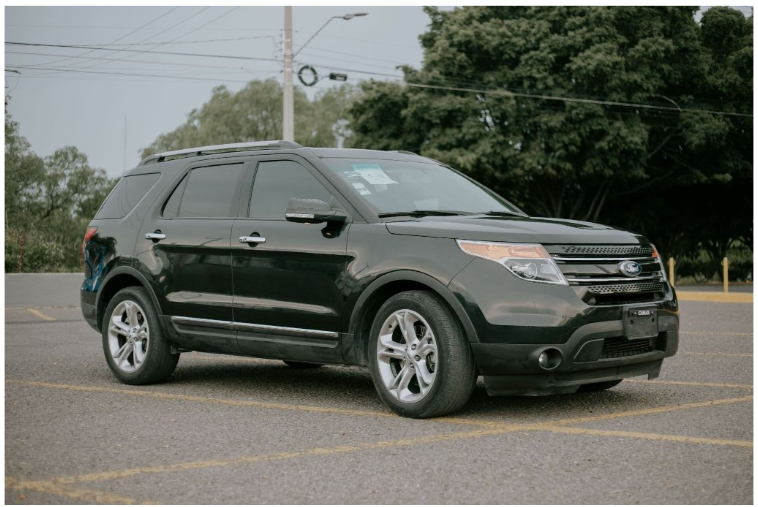
Over the past several years, global corporations, logistics operators, and private executives have significantly expanded their capital allocations toward physical risk management and armored mobility. What was once a niche expenditure reserved primarily for diplomatic convoys and high-profile government officials has evolved into a mainstream operational priority across Latin America, North America, and emerging industrial corridors. As supply chains stretch across complex regions and executive travel rebounds to record levels, demand for specialized ballistic protection has become a measurable growth segment within the broader automotive and industrial manufacturing sectors.
This surge in institutional spending has created clear market opportunities for specialized engineering firms and regional suppliers. Companies operating in high-demand territories—such as Armor Corp—have seen increased inquiries from corporate fleet managers, private security directors, and commercial operators seeking certified ballistic upgrades that preserve vehicle performance while meeting strict international safety standards.
Key Drivers Behind Corporate Fleet Armor Investments
Financial analysts tracking commercial mobility and industrial security point to three primary factors fueling this sustained investment cycle:
- Supply Chain Continuity: Transporting high-value cargo—including electronics, pharmaceuticals, and financial assets—requires reinforced commercial vehicles capable of withstanding transit disruptions without delaying delivery schedules.
- Duty-of-Care Compliance: Multinational enterprises face stricter legal and insurance obligations to protect traveling personnel, regional directors, and technical crews operating in areas with elevated security risks.
- Advances in Lightweight Materials: Traditional steel plating added excessive weight, driving up fuel consumption, brake wear, and suspension maintenance costs. Modern composite fibers, aramid layers, and multi-ply ballistic glass have dramatically reduced weight penalties, improving the total cost of ownership for corporate fleets.
Evaluating the Financial Case for Modern Ballistic Upgrades
For chief financial officers and fleet procurement teams, the decision to armor commercial or executive vehicles is increasingly evaluated through a return-on-investment lens rather than as a sunk cost. Lighter ballistic packages extend the service life of standard chassis components, reduce downtime at maintenance facilities, and allow companies to deploy conventional SUVs, pickups, and cargo vans without drawing unnecessary attention on public roads.
Furthermore, insurance underwriters frequently offer more favorable commercial policy terms when fleets incorporate certified protection levels—such as NIJ Level IIIA or B4 through B6 standards—installed by accredited facilities. Over a typical three-to-five-year corporate lease or ownership cycle, lower fuel burn and stronger resale value in secondary security markets help offset the initial capital outlay.
Outlook for the Industrial Protection Sector
Looking ahead, industry observers expect steady growth in civilian and commercial armoring as automotive manufacturers introduce more hybrid and electric platforms into corporate fleets. Adapting lightweight ballistic materials to heavier battery-electric architectures represents the next major engineering frontier for protection specialists.
As businesses continue to prioritize operational resilience and personnel safety, providers combining certified ballistic engineering with efficient fleet integration remain well positioned to capture long-term institutional demand.